Second Act Cities: The Mid-Sized American Towns That Are Quietly Stealing the Spotlight
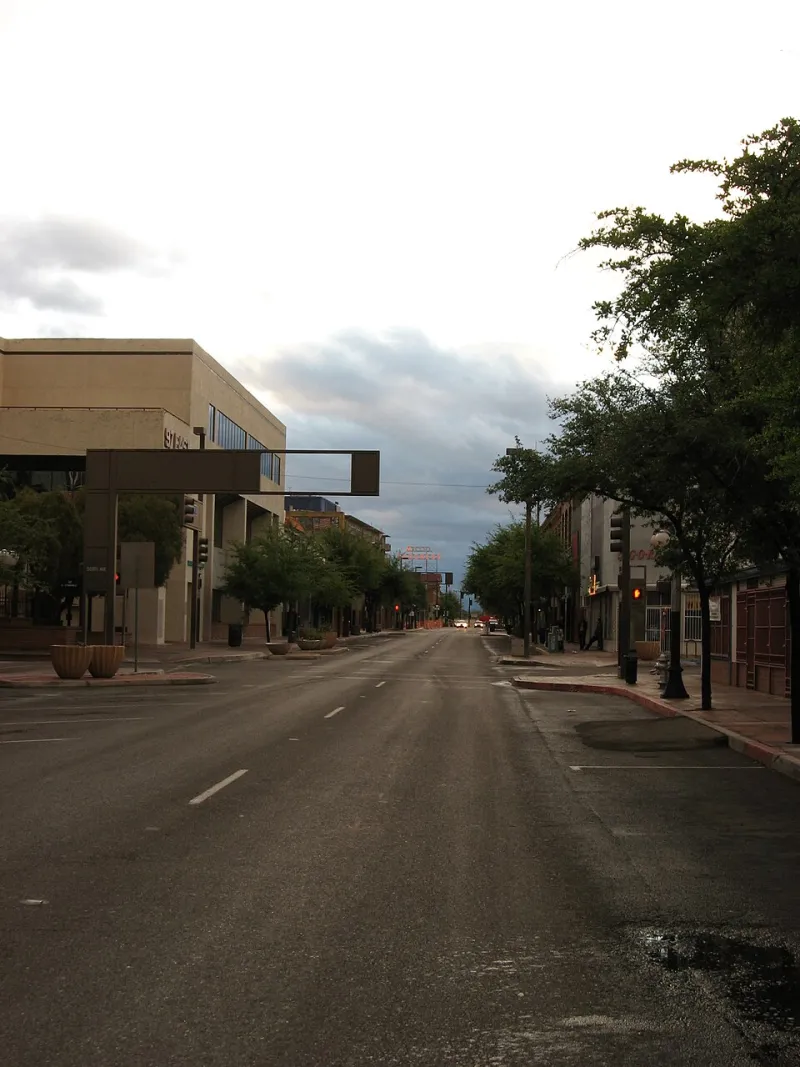
Photo: Ken Lund from Las Vegas, Nevada, USA, CC BY-SA 2.0, via Wikimedia Commons
There's a particular kind of city that doesn't show up on the glossy magazine covers — at least not yet. It's the kind of place where a shuttered steel mill becomes a weekend farmers market, where a block that was boarded up five years ago now has a natural wine bar and a ceramics studio wedged between a barbershop and a Vietnamese sandwich shop. These are America's second act cities, and if you haven't started paying attention, now's the time.
The remote work wave didn't just move people out of expensive coastal metros. It moved energy. It moved creative professionals, chefs, artists, and entrepreneurs into places where rent was survivable and square footage was actually square footage. The result? A genuine, ground-up urban renaissance happening in mid-sized cities across the country — some of it legitimate, some of it overhyped. We're here to tell you which is which.
Pittsburgh, PA: The One That Started It All
Pittsburgh has been the poster child for Rust Belt revival for over a decade now, and the thing is — it keeps getting better. The Strip District has evolved from a wholesale food corridor into one of the most walkable, eat-everything neighborhoods in Pennsylvania. Smallman Galley, a chef incubator-turned-full-restaurant-hub, launched careers that are now reshaping the city's dining identity. Meanwhile, East Liberty and Garfield have absorbed waves of creative energy without entirely losing their neighborhood character.
What makes Pittsburgh worth the trip right now isn't just nostalgia tourism or steel-bridge Instagram shots. It's the density of genuinely good things happening within a very manageable city footprint. You can walk from a world-class contemporary art museum to a killer pierogi spot to a record shop run by someone who clearly cares too much about music — and that's a Tuesday afternoon.
Akron, OH: Underestimated and Absolutely Worth It
Akron doesn't have Pittsburgh's PR machine, and honestly, that might be part of the appeal. The city's downtown has been quietly assembling something real: the Lock 3 venue complex hosts everything from concerts to ice skating, the Akron Art Museum punches well above its weight, and the Northside District has become a genuine hub for independent restaurants and bars that feel nothing like chains pretending to be local.
The food scene here deserves specific attention. A wave of immigrant-owned restaurants — Ethiopian, Somali, Nepali — has added serious depth to a dining landscape that was long underestimated. Pair that with a growing craft brewery presence and you've got the bones of a weekend trip that'll surprise you.
Chattanooga, TN: Outdoor Cred Meets Urban Ambition
Chattanooga has been doing the comeback thing long enough that it almost doesn't count as a sleeper pick anymore — but it still gets underbooked relative to Nashville, which is frankly Nashville's loss. The city's riverfront redevelopment is legitimately impressive, the Tennessee Aquarium remains one of the best in the country, and the surrounding trails and climbing access give the city an outdoor identity that attracts a specific, energetic crowd.
What's newer and more interesting is what's happening in the Southside neighborhood. Converted warehouses now house distilleries, art collectives, and restaurants doing thoughtful Southern food without the tourist-trap pricing you'd find two hours north. Chattanooga is the kind of city where you book a weekend for the nature and end up spending half your time just eating and wandering.
Lansing, MI: The Capital That Refuses to Be Boring
State capitals in mid-sized metros often feel like they exist purely for government workers and college football weekends. Lansing is working hard to be something more. The REO Town neighborhood — named after Ransom E. Olds, who basically invented the American auto industry — has become a genuine arts district with studios, live music venues, and a food scene that owes a lot to Michigan State's proximity and the international student community that brings.
The city's investment in its riverfront trail system gives it an outdoor backbone that makes casual exploration easy and genuinely pleasant. It's not a flashy destination yet, but that's exactly the point — you'll have the good restaurants to yourself, and the locals will actually be happy to see you.
Buffalo, NY: Cold Weather, Hot Moment
Buffalo has always had the food (the wings are non-negotiable, but the city's Polish and Italian culinary heritage runs much deeper than that). What's changed is the surrounding context. The Elmwood Village has long been a walkable, independent-business-rich neighborhood, but now it's got company. Allentown's art scene is more active than it's been in years, the waterfront development along Canalside has given the city a legitimate gathering space, and a wave of restaurant openings — including serious fine dining — has raised the overall floor considerably.
Buffalo is also a legitimate architecture destination. The density of Louis Sullivan and H.H. Richardson buildings alone justifies a trip for anyone who cares about American design history. The fact that you can pair that with a beef on weck and a lakeside sunset is just good travel planning.
Tulsa, OK: The Surprise Nobody Saw Coming
If you told someone in 2015 that Tulsa would become a genuine destination city, they'd have looked at you sideways. But the Tulsa Remote program — which literally paid remote workers $10,000 to relocate — did something unusual: it worked. The influx of new residents with disposable income and an appetite for urban amenities accelerated what was already a slow-burning revival in the Brady Arts District and the Greenwood neighborhood.
Greenwood, historically known as Black Wall Street before the devastating 1921 race massacre, is in a complex and important moment of reclamation and redevelopment. New businesses owned by Black entrepreneurs are operating alongside a growing cultural memory infrastructure — the Greenwood Rising history center opened in 2021 and is essential viewing. Tulsa's story right now is layered and worth engaging with seriously, not just as a backdrop for brunch.
The Honest Verdict: How to Tell Hype From the Real Thing
Not every city with a newly painted mural district and a cold brew coffee shop deserves your vacation days. The places on this list share a few things that separate genuine revival from marketing spin: diverse food scenes built by actual community members, neighborhoods with mixed-use energy rather than monoculture cool, and cultural institutions that have been doing the work for years regardless of whether anyone was paying attention.
The best second act cities aren't performing a renaissance for visitors — they're living one. Your job as a traveler is just to show up and pay attention. Skip the hotel breakfast, walk the neighborhoods that aren't on the official tourism map, and eat where the locals actually eat. That's where the real story is, and right now, that story is being written in some very unexpected places.