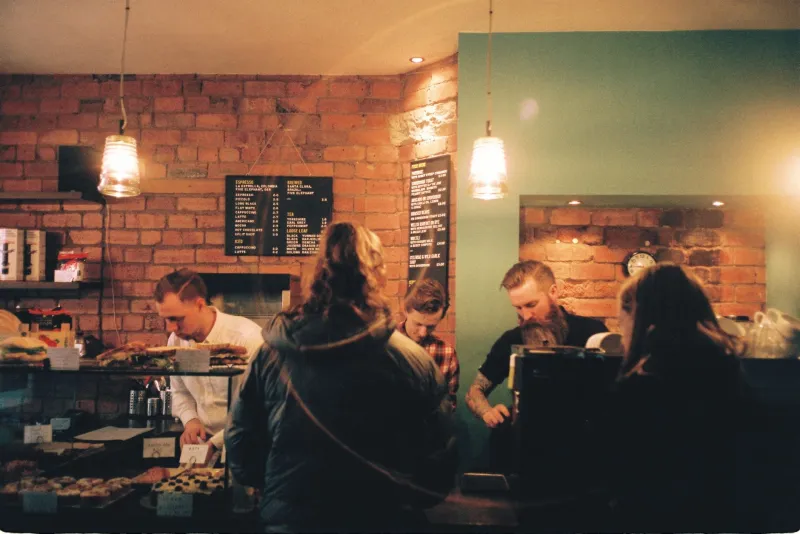
Off the Tourist Map: 10 Under-the-Radar City Neighborhoods Where Real Urban Life Is Happening Right Now
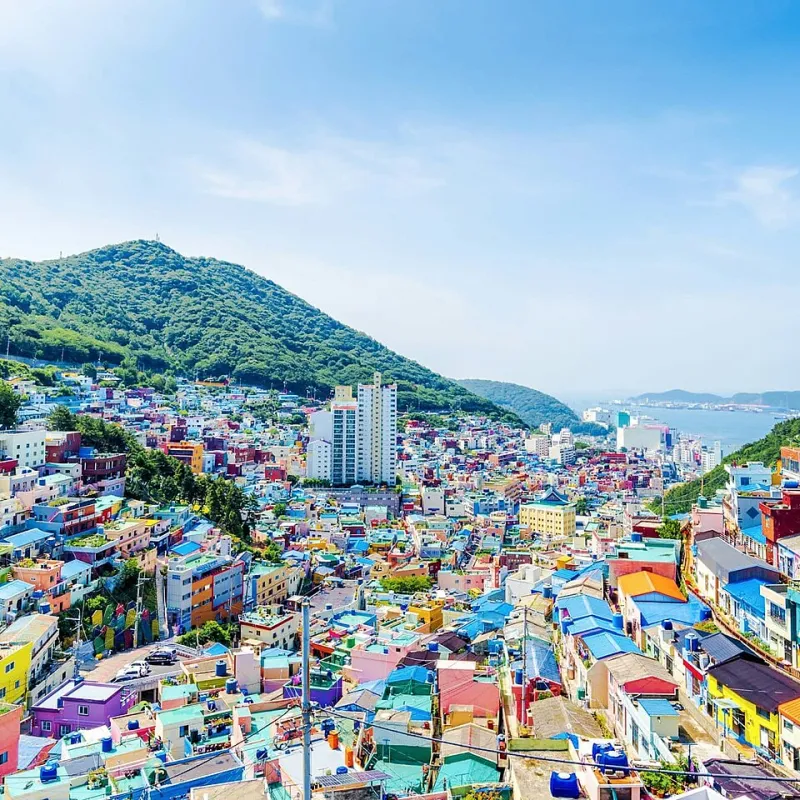
Photo: CaptainByeol, CC BY 4.0, via Wikimedia Commons
Every city has its headliners. The French Quarter. Brooklyn Heights. Wicker Park. These places earned their reputations — but they also earned their crowds, their souvenir shops, and their $22 cocktails. The neighborhoods on this list? They haven't made it onto most visitor itineraries yet. But locals — the kind who actually live, eat, and breathe their cities — are quietly packing up and heading there in growing numbers.
We dug into migration trends, talked to residents, and hit the pavement (virtually and literally) to bring you the 10 most underrated neighborhoods in America's biggest cities. These are the places where the energy is shifting right now.
1. Fruitvale, Oakland, CA
For years, Fruitvale was overlooked in favor of Oakland's trendier Temescal or Rockridge neighborhoods. That's changing fast. This predominantly Latino community along International Boulevard pulses with incredible food — think birria tacos and handmade tamales from family-run spots that have been there for decades. Young creatives and working families alike are moving here for housing prices that are still (relatively) reasonable by Bay Area standards, plus a BART stop that makes commuting a breeze.
Visitor tip: Hit up the Fruitvale Public Market on a weekend morning. Grab a coffee, wander the stalls, and let the neighborhood show you who it really is.
2. Pilsen, Chicago, IL
Okay, Pilsen is starting to get some buzz — but it still flies under the radar compared to Lincoln Park or the West Loop. This South Side neighborhood wears its Mexican heritage proudly, with murals covering nearly every available wall and a dining scene that punches way above its weight. The National Museum of Mexican Art is free and genuinely world-class. Rents are rising, which is why some longtime residents are pushing back against rapid gentrification — a tension worth understanding before you visit.
Visitor tip: Walk 18th Street end to end. Every block tells a different story.
3. Little Haiti, Miami, FL
Miami's flashiest neighborhoods get all the press, but Little Haiti is where you'll find a deeper, more layered version of the city. Caribbean culture is woven into everything here — the food, the music spilling out of open doors, the vibrant street art. Younger Miamians are moving in, drawn by relative affordability and a neighborhood identity that feels genuinely irreplaceable.
Visitor tip: Visit the Little Haiti Cultural Complex for rotating art exhibits and live events that put you right in the middle of community life.
4. Kensington, Philadelphia, PA
We'd be doing you a disservice if we didn't acknowledge that parts of Kensington face serious challenges. But pockets of this North Philly neighborhood are experiencing a quiet creative resurgence, with artists and small business owners opening studios and shops alongside longtime working-class residents. It's complex, it's real, and it's Philadelphia in a way that Fishtown (its gentrified neighbor) no longer quite is.
Visitor tip: Explore responsibly and support local businesses. This is a neighborhood in transition — approach it with curiosity and respect.
5. Montbello, Denver, CO
Denver's housing market has exploded, sending renters and buyers scrambling to find value. Montbello, a historically Black neighborhood in the northeast part of the city, is increasingly on their radar. Community pride runs deep here, and local organizations are working hard to ensure that new arrivals contribute to — rather than displace — what makes Montbello special.
Visitor tip: Check out the Montbello Mosaic mural project for a visual tour of the neighborhood's history and culture.
6. Woodlawn, Chicago, IL
Yes, Chicago makes the list twice — because it's that big and that layered. Woodlawn on the South Side is experiencing renewed investment thanks in part to the incoming Obama Presidential Center. Long-term residents are cautiously optimistic while keeping a watchful eye on displacement pressures. For visitors, the neighborhood offers beautiful historic architecture and proximity to Jackson Park and the lakefront.
Visitor tip: The 63rd Street corridor is worth an afternoon of slow exploration.
7. Sunnyside, Queens, NY
Queens is arguably the most ethnically diverse urban area on the planet, and Sunnyside is one of its most livable, least-hyped corners. Irish pubs sit next to Turkish restaurants and Colombian bakeries. The 7 train connects you to Midtown in under 20 minutes. Young professionals priced out of Brooklyn and Manhattan are arriving steadily, and the neighborhood's tight-knit feel is somehow holding.
Visitor tip: Sunnyside Gardens — a planned community from the 1920s — is one of the most charming residential streetscapes in all of New York City. Walk it.
8. Boyle Heights, Los Angeles, CA
Long before LA's Eastside became a real estate buzzword, Boyle Heights was — and remains — a predominantly Latino community with deep roots and fierce civic pride. Residents have actively resisted aggressive gentrification, making it one of the few neighborhoods in LA that still feels genuinely rooted. The food scene is extraordinary: pupuserías, taco trucks, and panaderías that have fed families for generations.
Visitor tip: Mariachi Plaza on weekend evenings is one of LA's most authentic and joyful public spaces. Don't skip it.
9. Mechanicsville, Atlanta, GA
Atlanta's BeltLine has turbocharged property values in neighborhoods like Old Fourth Ward and Inman Park. Mechanicsville, just south of downtown, hasn't fully felt that wave yet — making it one of the last places in the city where affordability and proximity to the urban core still coexist. It's a neighborhood with history and a community determined to shape its own future.
Visitor tip: The Beltline's Southside Trail extension runs nearby — great for biking and getting a feel for this part of the city.
10. Hamtramck, Detroit, MI
Technically its own city surrounded by Detroit, Hamtramck is one of the most quietly fascinating places in the Midwest. It's home to one of the most diverse populations in the country — Yemeni, Bangladeshi, Polish, and African American communities all sharing the same few square miles. The restaurant scene is an absolute revelation. And with housing prices that still seem almost impossibly low by coastal standards, it's attracting remote workers, artists, and adventurous transplants.
Visitor tip: Joseph Campau Avenue is the main drag — walk it hungry and plan to stop often.
The Bottom Line
The best neighborhoods in any city aren't always the ones with the longest lines or the most-tagged hashtags. They're the ones with stories still being written — by the families who've been there for generations and the newcomers finding their footing. That tension, that energy, is exactly what makes urban exploration worth doing.
Next time you're planning a city trip, skip the obvious and find the edge. That's where the real city lives — and that's exactly what Top 10 City is here to help you discover.