Chasing the Shot: How the Quest for the Perfect Post Is Slowly Killing the Places We Love
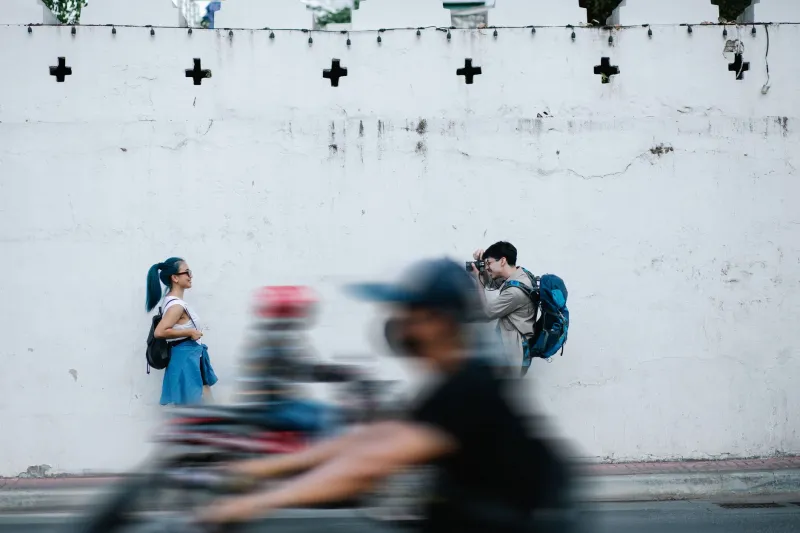
You know the scene. A line of people snaking down a narrow alley, each one waiting their turn to stand in front of the same painted wall, tilt their head at the same angle, and capture the same photo that roughly 847,000 other people have already posted. Nobody's really looking at the mural. They're looking at their phone screen, checking the framing, calculating the likes.
This is modern urban tourism in a nutshell — and it's quietly hollowing out some of the best experiences cities have to offer.
When Discovery Became a Performance
There was a time, not so long ago, when stumbling onto a cool neighborhood spot felt genuinely personal. You told your friends about it. Maybe you went back. The place had context, a story, a reason it mattered to you specifically.
Social media didn't just change how we share travel. It changed why we go in the first place. Research from Cornell's hospitality school has found that a growing segment of travelers now plan trips around photographable moments rather than experiences themselves. The destination becomes secondary to the documentation of it.
City planners in places like Nashville, Asheville, and Portland have been watching this shift with a mix of fascination and dread. The same Instagram virality that drives foot traffic to local businesses can also overwhelm them — and the neighborhoods they anchor — beyond recognition.
"We've had murals painted over because the crowds became unmanageable," said one community development official in a mid-sized Southern city who asked not to be named. "The artist didn't want their work turned into a content farm. That's a real loss."
The Algorithm Doesn't Care About Your Experience
Here's the uncomfortable truth about those hyper-tagged city spots: the algorithm rewards novelty and visual impact, not depth or authenticity. A 400-year-old cemetery with genuinely moving history gets fewer tags than a pop-up flower wall installation that opened last Tuesday. A family-run dim sum spot that's been feeding a neighborhood for three decades loses the content race to a dessert bar that literally designed its interior for Instagram.
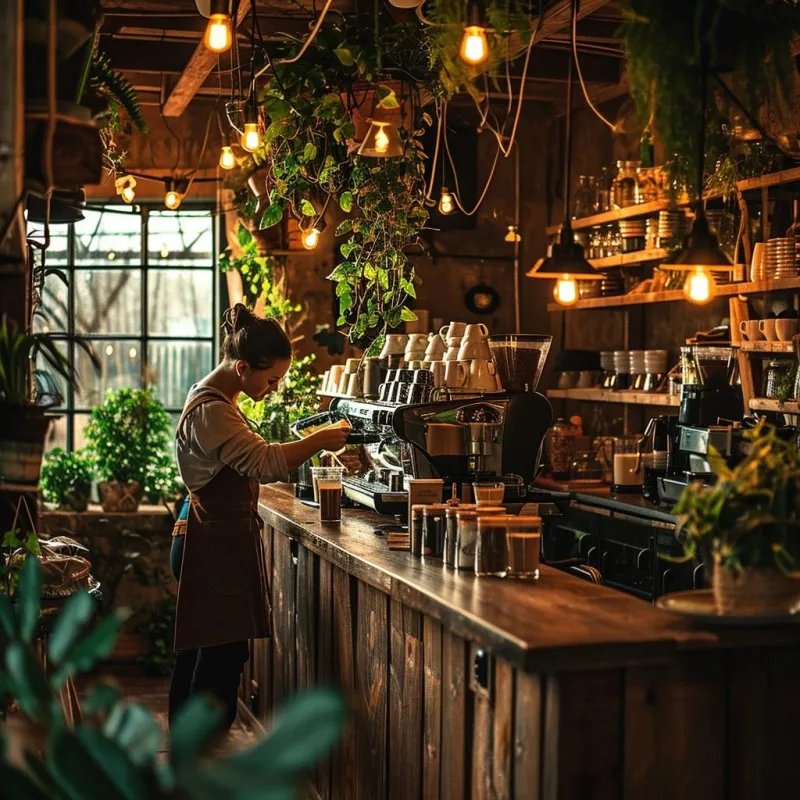
The result is a kind of visual monoculture spreading across American cities. Walk through the trendy districts of a dozen different metros and you'll encounter eerily similar aesthetics — the same Edison bulbs, the same exposed brick, the same neon script signs saying something vaguely aspirational. Cities that once had distinct, hard-won identities are increasingly performing a generic version of "cool" for an audience of strangers.
Locals feel this acutely. In neighborhoods like New York's West Village, Chicago's Wicker Park, and San Francisco's Mission District, longtime residents describe a phenomenon where their own streets feel borrowed — temporary sets for other people's content rather than lived-in places with genuine community.
The Overtourism Problem Nobody Wants to Talk About
Overtourism isn't new, but social media has turbocharged it in ways that traditional tourism infrastructure wasn't built to handle. When a single TikTok video sends 10,000 people to a tucked-away taco stand in a residential neighborhood, the consequences ripple outward fast. Parking becomes a nightmare. Noise levels spike. Trash accumulates. Residents who chose that neighborhood specifically for its low-key vibe start looking for the exit.
Some cities have responded with hard limits. Antelope Canyon in Arizona now strictly caps daily visitors. Certain trails in national parks require timed permits. But urban neighborhoods don't have gates or ticket booths. They rely on a social contract that viral content has a way of shredding overnight.
The irony is brutal: the more people document a place to share its magic, the faster that magic evaporates.
What You're Actually Missing While You're Getting the Shot
Step back from the line for a second and consider what's happening around you at any heavily photographed urban attraction. The actual sensory experience — the smell of the food stalls nearby, the sound of the neighborhood, the texture of the place — gets completely filtered out in the focus on framing the perfect image.
Travel psychologists call this "experience displacement." You're physically present but mentally elsewhere, already composing the caption, already thinking about the post. Studies suggest that people who prioritize photography during experiences actually remember those experiences less vividly afterward than people who simply showed up and paid attention.
That's a brutal trade-off. You waited in line for 45 minutes, got the photo, posted it, and now the algorithm has swallowed it whole while you've retained almost nothing of the actual place.
How to Break the Cycle Without Swearing Off Your Phone
Nobody's suggesting you go full digital detox on your next city trip. But there are real, practical ways to engage with popular destinations without becoming part of the problem — or missing the point entirely.
Visit at off-hours. Most Instagram-famous spots have peak photography windows tied to lighting — usually late afternoon. Show up at 8am on a Tuesday and you'll often have the place nearly to yourself. You might even get a better shot.
Follow the tags, then go sideways. Use geotagged content to orient yourself in a neighborhood, then deliberately wander away from the tagged hotspot. The interesting stuff is almost always one or two blocks off the beaten path.
Give yourself a phone-free window. Spend the first 15 minutes at any new spot just experiencing it before you pull out the camera. You'll shoot better photos and actually remember being there.
Ask locals, not the algorithm. The best city recommendations still come from the people who actually live there. Strike up a conversation at a coffee shop or corner bar. The spots that haven't been Instagrammed to death are often the ones worth finding.
Check the timestamp on recommendations. A "hidden gem" blog post from 2021 has probably been thoroughly un-hidden by now. Freshness matters when you're trying to dodge the crowds.
The City Is Still There, Underneath All the Content
Here's the good news: no amount of viral tagging can fully erase what makes a great city great. The character, the history, the weird specificity of a place — it doesn't disappear just because a neon sign out front has been photographed a million times. It just requires a little more effort to find.
The best urban experiences have always rewarded curiosity over convenience. The travelers who come home with the most interesting stories aren't the ones who hit every tagged location on their list. They're the ones who got a little lost, talked to a few strangers, and let the city show them something it wasn't advertising.
That's still possible. It just means resisting the pull of the feed — at least long enough to actually arrive somewhere.