Pour Decisions: How America's Indie Coffee Scene Is Turning City Neighborhoods Into Must-Visit Destinations
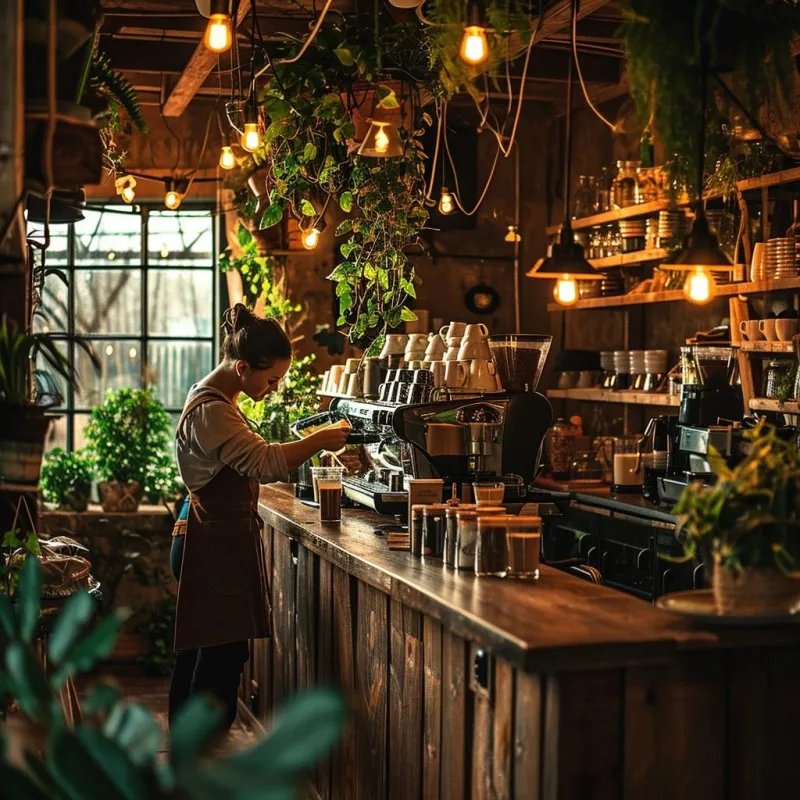
Photo: indie specialty coffee shop interior neighborhood cafe barista, via i.pinimg.com
There's a moment every seasoned traveler knows. You're in an unfamiliar city, you've ditched the hotel breakfast, and you're walking a neighborhood that feels like it's on the edge of something. Then you spot it — the hand-lettered chalkboard, the warm glow through a repurposed storefront window, the faint hiss of a steam wand. You walk in, and suddenly you understand the neighborhood better than any guidebook could have told you.
That's what the best independent coffee shops do. They don't just caffeinate you. They orient you.
America's specialty coffee scene has exploded over the last decade, and what was once a niche obsession for single-origin purists has become one of the most reliable cultural indicators in any city worth visiting. Where great indie coffee shops cluster, neighborhoods tend to follow. Where they thrive, communities tend to form around them. And for travelers who want to experience a city the way locals actually live in it, finding the right coffee shop is often the smartest first move you can make.
More Than a Morning Ritual
Ask any specialty roaster why they opened in the neighborhood they chose, and the answer is rarely just about real estate prices. In cities like Nashville, Denver, and Detroit, independent coffee shops have deliberately planted themselves in transitional neighborhoods — not to accelerate gentrification, but to serve as genuine gathering points for the people already there.
In Detroit's Corktown, for example, a handful of indie cafés opened in the early 2010s alongside local artists and small business owners reclaiming long-vacant storefronts. Today, those same shops are neighborhood institutions, hosting community meetings, local art shows, and the kind of slow weekend mornings that define what a neighborhood actually feels like to live in.
That dual role — part café, part community anchor — is what separates destination-worthy coffee shops from places that just happen to have good beans. The best ones build regulars. And for a traveler, spending an hour in that kind of space tells you more about a city than three hours in a museum gift shop.
What Makes a Coffee Shop Actually Worth the Trip
Not every shop with a pour-over menu and exposed brick deserves the hype. So what actually makes an independent coffee shop a destination?
Baristas and roasters who've built loyal followings tend to point to a few consistent factors. First, sourcing transparency — knowing where the beans come from, how they were processed, and why that matters to the flavor in your cup. Second, intentional space design that encourages staying, not just grabbing and going. Third — and this one gets overlooked — a genuine connection to the block it sits on.
"We're not trying to be a coffee shop that could exist anywhere," says one roaster from a well-regarded shop in Chicago's Logan Square neighborhood. "The whole point is that this place could only exist here, with these people, on this street."
That hyper-local identity is exactly what makes these spots worth seeking out when you're traveling.
City-by-City: Where the Cups Are Worth the Detour
Portland, Oregon remains the gold standard for specialty coffee culture in America, and the scene there has only gotten more interesting as it's matured. Skip the spots that made the listicles five years ago and head instead toward the outer Southeast neighborhoods, where a newer wave of roasters is doing genuinely experimental work with fermentation and processing methods that you won't find replicated elsewhere.
New Orleans has developed a coffee identity that's entirely its own — chicory-laced, slow-poured, and deeply tied to the city's café culture roots. But beyond the famous spots in the French Quarter, the Mid-City and Bywater neighborhoods have quietly built a specialty scene that feels both rooted in local tradition and genuinely forward-thinking.
Pittsburgh might be the most underrated coffee city in America right now. The Strip District and Lawrenceville neighborhoods have attracted a cluster of independent roasters who've built their shops with the same blue-collar work ethic the city is known for — no pretension, serious craft, and spaces that feel welcoming rather than performatively cool.
Los Angeles is enormous, which means its coffee scene is equally sprawling and uneven. The sweet spots are in neighborhoods like Highland Park, Frogtown, and parts of the Eastside, where independent shops have become genuine third places for communities that don't always get represented in travel coverage of the city.
Minneapolis consistently punches above its weight in specialty coffee, with a scene that's survived brutal winters by building the kind of warm, stay-all-day spaces that cities with better weather often don't bother with. The North Loop and Northeast neighborhoods are your best starting points.
The Gentrification Conversation No One Wants to Skip
It would be dishonest to write about specialty coffee culture without acknowledging the complicated role these shops sometimes play in neighborhood change. The arrival of a well-designed indie café with $7 lattes can be both a sign of neighborhood investment and an early warning signal for longtime residents facing rising rents.
The best operators in the industry are having this conversation openly. Some are prioritizing hiring from within the communities they serve, partnering with local nonprofits, or deliberately keeping their pricing accessible. Others are opening in neighborhoods that are already well-resourced and not pretending otherwise.
As a traveler, it's worth paying attention to which shops are genuinely embedded in their neighborhoods and which are more accurately described as amenities for incoming residents. The difference usually shows up in the details — who's behind the counter, who's sitting at the tables, and whether the space feels like it belongs to the block or is simply occupying it.
How to Find the Good Ones in Any City
The best independent coffee shops rarely need much marketing. They survive on word of mouth, repeat business, and the occasional write-up from someone who stumbled in and couldn't stop talking about it. That means the standard tourist search isn't always the best method for finding them.
A few approaches that actually work: Ask your hotel's front desk staff where they go for coffee — not where they send guests, where they actually go. Check local alternative weeklies and neighborhood blogs rather than national travel sites. Look for shops that roast their own beans on-site; the commitment that takes usually signals a higher overall standard. And don't be afraid to just walk — in most cities, the neighborhoods worth exploring tend to have the coffee shops worth finding.
At the end of the day, a great independent coffee shop is one of the cheapest and most reliable ways to get your bearings in a new city. You spend a few dollars, you sit down, you watch who comes in and how they interact with the staff, and you leave knowing something real about where you are. That's a travel experience worth optimizing for.