Go Lower to Go Deeper: Why America's Underground Venues Are the Real Soul of City Culture
There's a moment every experienced city traveler knows — the one where you're standing in a perfectly rated restaurant or a landmark museum and something feels just a little too polished. Too curated. Too aware of its own importance. The best version of the city you came to find isn't here.
So where is it?
Increasingly, the answer is literally below your feet.
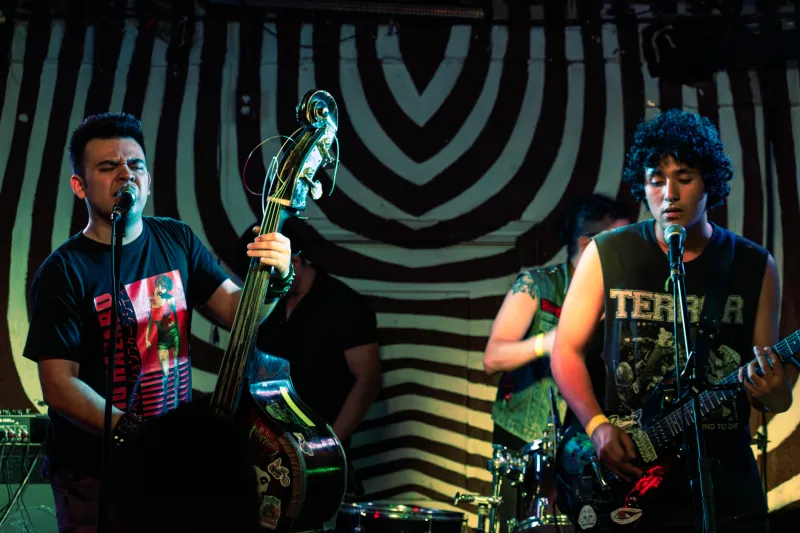
Across the US, a sprawling basement economy has taken root — a loose network of underground music venues, subterranean art spaces, hidden cocktail bars, and below-street-level performance stages that operate somewhere between open secret and genuine discovery. These aren't tourist traps dressed up in Edison bulbs and exposed brick. They're the real thing: scrappy, inventive, and deeply connected to the neighborhoods that shelter them.
Why Underground Spaces Hit Different
There's a practical reason these venues exist below ground — rent. Basement and below-grade spaces are cheaper to operate, which means the people running them aren't beholden to the kind of profit pressure that eventually sands the edges off every interesting thing. A basement gallery in Brooklyn doesn't need to sell $18 cocktails to survive. A below-street music room in Chicago can book a band nobody's heard of yet without worrying about filling 400 seats.
That financial breathing room creates cultural oxygen. Underground venues tend to take risks that above-ground counterparts can't afford to — artistically, socially, and politically. They become laboratories for whatever a city's creative class is working through right now, not six months ago when the trend pieces were written.
There's also something about the physical experience of descending that matters. You leave the noise of the street, the foot traffic, the Instagram storefronts. You walk down a narrow staircase and emerge into a world that required a little effort to find. That friction is actually a feature. It filters out the passive and rewards the curious.
New York's Subterranean Layers
New York has always had an underground culture in both the literal and figurative sense. The city's basement music scene — particularly across Brooklyn neighborhoods like Bushwick and Ridgewood — has been a launching pad for indie acts, experimental electronic artists, and noise musicians for decades. Many of these spaces operate with a deliberate low profile: no sign on the door, a shared Google Form for RSVPs, a mailing list that functions like a velvet rope.
Beyond music, the city's hidden bar culture deserves its own conversation. Lower Manhattan and the East Village are home to a cluster of speakeasy-style spaces that range from meticulously crafted cocktail dens tucked behind functioning phone booths to intimate jazz rooms accessible only through the back of a restaurant. These aren't gimmicks — or at least, the best ones aren't. They're spaces where the format serves a genuine commitment to atmosphere and craft.
For travelers, the trick is knowing that most of these spaces want to be found — just not too easily. A little research and a willingness to reach out directly goes a long way.
Chicago's Basement Music Tradition
Chicago has a deep, well-documented relationship with below-grade music. The city's blues and jazz history is partly a basement history — small rooms, close quarters, and an intimacy that shaped the sound itself. That tradition hasn't faded; it's evolved.
Today, Chicago's underground scene spans everything from DIY punk rooms in Logan Square to experimental jazz spaces in Hyde Park that operate more like listening rooms than bars. The city has a strong culture of arts collectives that rent out basement and lower-level spaces for rotating programming — one weekend it's a film screening, the next it's a live score performance, the next it's a pop-up zine fair.
For visitors, Chicago's underground is unusually accessible compared to other cities. Local publications and neighborhood social media accounts do a decent job of surfacing events without over-publicizing them. Showing up curious and willing to talk to people — always the best travel strategy anyway — will get you further here than any algorithm.
Los Angeles Goes Below the Surface
LA's underground scene is a little counterintuitive given the city's reputation for surface and spectacle, but it's very real. The basement and warehouse arts scene in neighborhoods like Boyle Heights, Highland Park, and parts of Downtown LA has been a driver of the city's visual arts culture for years — often well ahead of the gallery establishment that eventually catches up.
Underground music in LA tends toward the experimental and genre-defying: noise, ambient, hyperpop, and hybrid forms that don't fit neatly on streaming platforms or radio playlists. These shows happen in converted spaces, artist-run venues, and yes, literal basements. The community is tight-knit but not unfriendly to outsiders who come with genuine interest rather than content-farming intent.
The city also has a quietly thriving underground dining scene — pop-up supper clubs and unlicensed restaurant experiences that operate in private homes and rented spaces, often serving food that reflects the full complexity of LA's culinary cultures in ways that brick-and-mortar restaurants sometimes flatten.
How to Actually Find These Spaces
This is the part most travel guides skip, either because they don't know or because they think the mystery is the point. The mystery is partly the point — but that doesn't mean you have to show up blind.
Local newsletters and Substack publications are your best starting resource. Most major cities have at least one or two independent writers covering arts and nightlife who are plugged into underground programming. Subscribe before your trip.
Neighborhood-specific Instagram and Facebook groups surface events that never make it to mainstream listings. Search for the neighborhood name plus words like "events," "shows," or "arts."
Ask at independent record stores, bookshops, and coffee shops. Seriously. The person behind the counter at a well-chosen indie shop almost always knows what's happening and is usually happy to share with someone who seems genuinely curious.
Follow the artists, not the venues. Underground spaces often don't have a consistent identity — the same basement might host a gallery one month and a concert series the next. Following local musicians, visual artists, and performers on social media gives you a real-time feed of where the action is.
The Bottom Line (Literally)
Every great city has two versions of itself: the one that greets you at street level, and the one you have to earn. Underground venues — the basement galleries, the hidden bars, the below-grade music rooms — are where that second version lives. They're messier, harder to find, and occasionally harder to explain to people back home. They're also where the most honest, energetic, and genuinely memorable city experiences tend to happen.
The best thing you can do in any American city is put away the top-rated list for one night and go looking for a staircase that leads somewhere interesting. Odds are, what's waiting at the bottom of it is exactly what you came to find.