Strangers Welcome: The Cities Designing Spaces That Actually Make You Talk to People

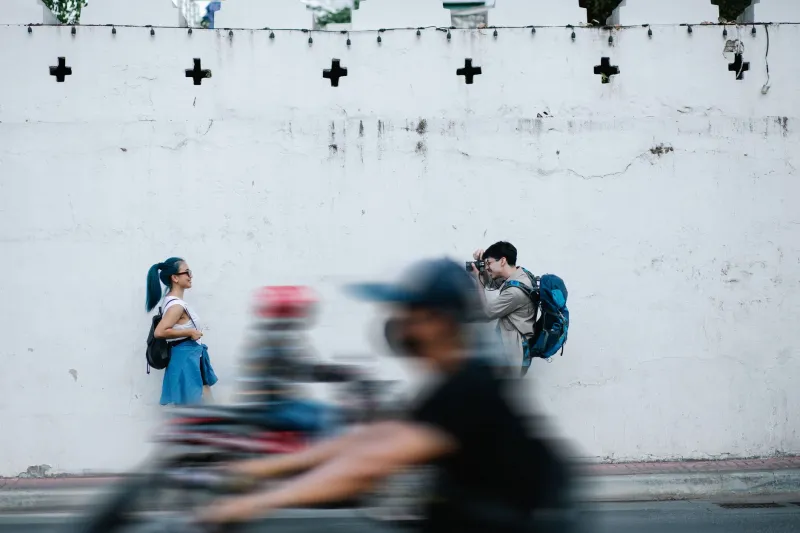
Photo by Photo by Simon Hermans on Unsplash on Unsplash
There's a particular kind of travel magic that doesn't show up in any guidebook. It's the two-hour conversation you accidentally have with a retired schoolteacher at a communal bar top. It's the debate about local pizza that breaks out between total strangers at a picnic table in a city park. It's the moment a city stops feeling like a backdrop and starts feeling like a living, breathing thing you're actually part of.
America's best cities are figuring out how to manufacture that magic on purpose — and it's changing the way both locals and travelers experience urban life.
The Problem With 'Curated Solitude'
For a while, the dominant design language of the modern city experience leaned hard into personal bubbles. Noise-canceling headphones. Laptop-friendly coffee shops with individual power outlets and zero eye contact encouraged. Restaurant layouts with tiny two-tops pushed against walls. Even hotel lobbies optimized for Instagram aesthetics over actual human gathering.
It worked, in a functional sense. But somewhere along the way, a lot of people started noticing that they could spend an entire weekend in a fascinating city and barely exchange a meaningful word with another human being. Travelers especially felt it — arriving somewhere new, consuming it efficiently, and leaving without ever really touching it.
The backlash, it turns out, is architectural. And social. And delicious.
The Long Table Revolution
If you want to understand the conversation economy, start with the communal table. What once felt like a quirky European import is now a deliberate design choice in some of America's most talked-about dining rooms — and the cities embracing it hardest are reaping real cultural rewards.
In cities like Nashville, Portland, and Chicago, a new generation of restaurants is building their entire floor plans around long, shared surfaces. The logic is beautifully simple: when you can't avoid your neighbor, you might as well say hello. Chefs and owners will tell you straight-faced that the communal table isn't just a seating strategy — it's a philosophy. You're not just eating; you're participating.
The best of these spots go further than just the furniture. Staff are trained to make introductions. Menus are built around shareable formats that naturally invite commentary. Some places even post conversation prompts on chalkboards above the bar — not in a cringey corporate team-building way, but in the spirit of a good host who knows the party needs a little nudge.
Bars Built for Banter
The traditional American bar has always been a social institution, but a new wave of drinking establishments is taking that role seriously in ways that feel genuinely fresh. Forget the dark corner booth and the sports broadcast drowning out every attempt at conversation. The bars leading this movement are loud in atmosphere but quiet in decibels — designed acoustically so you can actually hear the person next to you.
In cities like New Orleans, Denver, and Philadelphia, you'll find bars where the layout wraps the entire seating arrangement around a central bartender — not just as a service model, but as a social architecture. Everyone faces everyone else. The bartender becomes a de facto emcee. Regulars introduce themselves to first-timers without prompting because the room itself makes it feel natural.
Some of the most interesting spots have gone even further, building programming around the concept of structured spontaneity. Think trivia nights where teams are assembled from strangers at the door, or "open mic for opinions" evenings where the topic is local and the debate is encouraged. The throughline in every case: the venue exists to connect people, not just serve them.
Plazas, Parks, and the Outdoor Conversation
It's not just indoor spaces driving this shift. City planners and neighborhood organizations across the country are rethinking what public outdoor space is actually for — and "passing through" is increasingly the wrong answer.
The best urban plazas in cities like Minneapolis, Savannah, and San Antonio are being redesigned with what urban sociologists call "social friction" in mind. That means movable chairs instead of fixed benches. Communal chess tables. Water features that slow people down. Food vendor clusters that create natural congregation points. Small performance stages that draw crowds and, in drawing them together, create the conditions for connection.
For travelers, these spaces are gold. A well-designed public plaza is one of the fastest ways to take the temperature of a city — to see who lives there, how they interact, what they care about. Sitting still in a good plaza for an hour will teach you more about a neighborhood than a walking tour ever could.
What This Means for How You Travel
Here's the practical takeaway for anyone planning a city trip: seek out the spaces that are specifically built to make you uncomfortable in the best possible way. The long communal table where you'll have to ask your neighbor to pass the bread. The bar where the stools are arranged so that isolation is basically impossible. The plaza where the chairs face each other instead of the street.
These aren't just interesting design choices — they're invitations. And the cities that are extending them most generously right now are the ones worth putting at the top of your list.
The conversation economy isn't really about economics at all. It's about what we're actually hungry for when we travel: not just sights, not just food, not just efficient consumption of a place — but the feeling of having genuinely been somewhere. Of having met it, not just visited it.
Finding Your People, Wherever You Land
Every city on the Top 10 City radar has its version of this. The trick is knowing where to look — and being willing to put the phone down long enough to let the room do its job.
Ask locals where they go when they want to actually talk to someone. Seek out the neighborhood spots that have been around long enough to have regulars, but are welcoming enough to adopt a stranger for an evening. Look for the communal tables, the wraparound bars, the plazas with movable chairs.
The best cities in America right now aren't just offering experiences. They're offering introductions. All you have to do is show up ready to meet someone.