Beyond the Buzz: How Neighborhood Kitchens Are Quietly Becoming America's Best Dining Destinations
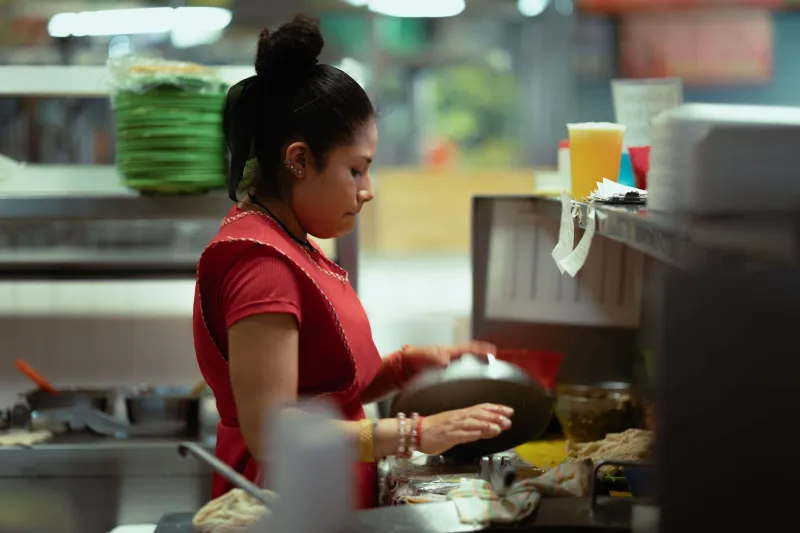
There's a particular kind of restaurant that doesn't have a PR firm. It doesn't do soft launches or host influencer nights. The menu might be handwritten, the lighting might be terrible for photos, and the owner is probably also your server, your cook, and the person who unlocked the door this morning. And yet, if you're lucky enough to stumble into one, you'll remember that meal for years.
Across America, this kind of place is having a moment — not because anyone declared it trendy, but because travelers are getting tired of eating the same curated experience in every city they visit. The slow food revolution isn't coming from the top down. It's rising out of neighborhoods, passed down through generations, and built on the kind of community loyalty that no amount of marketing budget can manufacture.
What "Slow Food" Actually Means Here
The term gets thrown around a lot, but in the context of American city dining, slow food isn't just about farm-to-table sourcing or artisanal anything. It's about restaurants that exist because of a community, not in spite of one. Think of a Vietnamese family that's been serving the same pho recipe for thirty years in a strip mall in Houston. Or a Salvadoran pupuseria in DC's Columbia Heights that feeds construction workers at 7 a.m. and office workers at noon. Or a Sicilian-American grandmother in Providence who opens her dining room four nights a week because her grandchildren convinced her other people deserved to eat her braciole.
These places aren't trying to be destinations. They already are — for the people who live nearby. The trick is that travelers are finally starting to notice.
The Cities Leading the Charge
You might expect the usual suspects — New York, LA, Chicago — to dominate this conversation. But those cities have largely been colonized by the very celebrity chef culture this movement is pushing back against. The real action is happening in mid-tier cities where rents are lower, communities are tighter, and the food scene hasn't been fully packaged for outside consumption yet.
Fresno, California doesn't get nearly enough credit. The city sits in the heart of the San Joaquin Valley and has one of the most diverse immigrant populations in the country. Armenian bakeries, Hmong farmers market vendors who also run family restaurants, Mexican taquerias where the tortillas are made by hand every single morning — Fresno's dining scene is a living document of American immigration history, and most of it costs under fifteen dollars a plate.
Richmond, Virginia is another one to watch. Beyond the well-documented rise of its craft beer scene, Richmond has quietly become home to a remarkable network of immigrant-owned restaurants — Ethiopian spots in the Near West End, Vietnamese bakeries in the Bon Air area, and a growing constellation of West African eateries that are drawing serious food tourists from DC without even trying.
Albuquerque, New Mexico is perhaps the most underrated food city in America. The New Mexican culinary tradition — green chile everything, posole, red and green enchiladas — is hyper-local in a way that almost no other regional cuisine still manages to be. Family restaurants here have been doing the same things for decades, and they're not about to change for anyone.
Lowell, Massachusetts and Providence, Rhode Island round out the list with dense immigrant food corridors that reward slow, curious exploration over any kind of planned itinerary.
How to Actually Find These Places
The frustrating truth is that the best neighborhood kitchens are often invisible to conventional travel research. They're not on the first page of Google results. They might have a Facebook page last updated in 2019. Their Yelp reviews are a chaotic mix of five stars and one stars with nothing in between.
Here's what actually works:
Ask at the grocery store, not the hotel. Specifically, ask at independent grocery stores in immigrant neighborhoods. The person stocking shelves at a Korean supermarket in Annandale, Virginia knows exactly where to eat Korean food. The staff at a Mexican carnecería in Pilsen, Chicago can tell you which taqueria on the block has been there the longest — and that's almost always the one worth visiting.
Follow local Facebook groups, not Instagram. Community Facebook groups — neighborhood watch pages, local parenting groups, city-specific buy-nothing communities — are full of real people asking real questions about where to eat. The recommendations there are unfiltered and often extraordinary.
Look for the lunch crowd. A restaurant doing serious volume at noon on a Tuesday, filled with people who clearly work nearby, is a restaurant that has earned its reputation the hard way. That's your green light.
Prioritize longevity over newness. In the world of neighborhood kitchens, age is a credential. A family restaurant that's been in the same location for twenty-plus years has survived because it's genuinely good and genuinely necessary to its community. That's not an accident.
The Commodification Problem
Here's the part nobody likes to talk about: the moment a neighborhood kitchen gets discovered, the clock starts ticking. A single mention in a major food publication can change everything — not always for the better. Prices creep up. The owner hires more staff who don't know the recipes as well. The regulars start sitting at the bar instead of their usual tables because the dining room is full of people taking pictures of their food.
This isn't a reason to avoid these places. It's a reason to visit them thoughtfully. Spend money. Tip generously. Don't post the address in a public forum if you can help it. Treat the experience like the privilege it is.
The slow food revolution works best when travelers show up as guests, not as content creators. The neighborhood kitchen isn't performing for you. It's just doing what it's always done — feeding the people who live there, the way they've always been fed. You just happen to be lucky enough to have a seat at the table.
The Bigger Picture
What's happening in Fresno and Richmond and Albuquerque isn't just a food trend. It's a reorientation of what we value in a travel experience. The pursuit of the hottest new restaurant, the most-hyped chef, the reservation that's impossible to get — that kind of dining tourism has started to feel exhausting. And increasingly, it feels hollow.
The alternative is slower, less predictable, and occasionally involves eating in a room with fluorescent lighting and plastic tablecloths. But the food is real, the welcome is genuine, and the story behind the plate is one that took decades to write.
That's worth finding. Every single time.