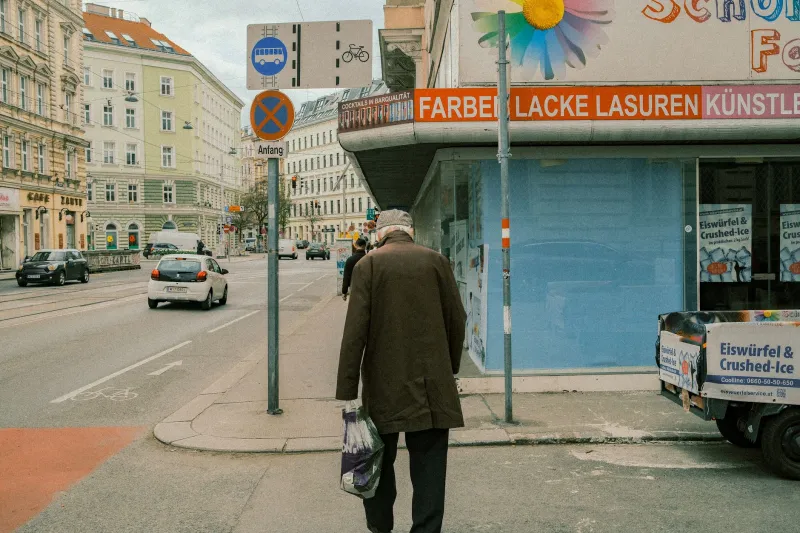
Three Blocks, a Thousand Stories: How Tiny Urban Pockets Shape Entire Cities
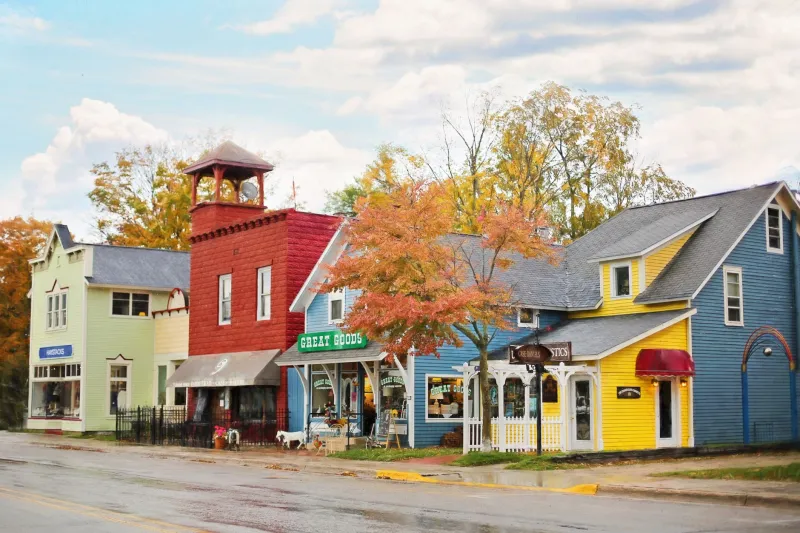
There's a stretch of East 6th Street in Austin that doesn't look like much at first glance. A few bungalows converted into bars, a taco spot with a hand-painted sign, a vintage clothing shop operating out of what used to be someone's living room. Walk it on a Tuesday afternoon and you might wonder what the fuss is about. Come back on a Friday night, or better yet, talk to the people who've been quietly building things there for the last five years, and the picture shifts completely. That three-block stretch has launched careers, seeded restaurant empires, and influenced music scenes far beyond Texas.
This is what urban geographers sometimes call micro-geography — the idea that cities don't just have neighborhoods, they have pockets. Concentrated zones of two, three, maybe five blocks that generate cultural and commercial energy wildly out of proportion to their size. And for travelers who know how to find them, these pockets are where the real story of a city lives.
Why Small Zones Hit So Hard
The conventional wisdom about great city neighborhoods tends to focus on scale. We talk about Brooklyn as a whole, or the French Quarter, or Capitol Hill in Seattle. But the truth is that most of those large neighborhoods are carried by a much smaller core — a specific intersection, a particular block face, a cluster of storefronts that somehow got the chemistry right.
Density is part of it. When creative businesses, independent restaurants, and community gathering spots stack up within walking distance of each other, they generate foot traffic that none of them could produce alone. A coffee shop brings in the morning crowd. A record store keeps people browsing through the afternoon. A natural wine bar pulls them back after dinner. Each business benefits from the others, and together they create a self-reinforcing loop that makes the whole block feel alive in a way that a single anchor tenant never could.
Personality is the other ingredient. The best micro-neighborhoods have a point of view. They're not trying to be everything to everyone. The three-block stretch in Austin leans weird and local. A pocket of Pilsen in Chicago leans art-forward and deeply Mexican-American. A cluster of blocks in New Orleans' Bywater neighborhood has a particular brand of funky, DIY eclecticism that doesn't exist anywhere else on earth. That specificity is what makes these places magnetic — and what eventually makes them targets for the kind of mainstream attention that can dilute them.
How They Actually Form
Micro-neighborhoods rarely get planned. They tend to emerge from a combination of cheap rent, proximity to an anchor institution, and one or two early risk-takers who set the tone for what follows.
Cheap rent is the starting gun. When a neighborhood is affordable enough that artists, immigrants, and independent operators can actually afford to open something, you get experimentation. You get the taco spot that only does three things but does them perfectly. You get the gallery that also hosts punk shows on weekends. You get the kind of glorious, weird variety that a high-rent district simply can't sustain because every square foot has to justify itself financially.
The anchor institution is the second piece. Sometimes it's a university. Sometimes it's a community center, a historic market, or even a well-loved park. Whatever it is, it creates a reason for people to be in the area repeatedly — and repeated presence is what turns a street into a neighborhood.
Then comes the first mover. One brave, slightly stubborn person opens something genuinely good, survives long enough to prove the location works, and suddenly other operators start paying attention. Within a few years, a micro-neighborhood exists where there was just a street before.
What Travelers Should Look For
The trick with micro-neighborhoods is timing. Hit them too late and you're eating at a restaurant that opened specifically to capture tourist dollars. Hit them too early and half the storefronts are vacant. The sweet spot is the moment just before critical mass — when the bones are all there but the crowds haven't fully arrived.
Here's what that sweet spot looks like on the ground. You'll see a mix of polished and rough — one or two genuinely excellent spots next to a few places that are still figuring themselves out. You'll notice that the people inside the businesses seem to actually know each other. The barista at the coffee shop will mention the chef at the restaurant down the block by first name. The vintage store owner will tell you about the mural that just went up around the corner like it's the most exciting thing that's happened all week — because for them, it might be.
You'll also notice that locals are slightly defensive about the place in a loving way. They'll tell you it's not that big a deal, then spend twenty minutes explaining exactly why it's the best block in the city. That combination of pride and protectiveness is a reliable tell.
Cities With Strong Micro-Geography Right Now
A few American cities are particularly rich in these kinds of pockets at the moment. Detroit's Corktown neighborhood has a few blocks along Michigan Avenue that are doing something genuinely special — anchored by a handful of independent restaurants and creative businesses that have survived long enough to develop real identity. Richmond, Virginia has a stretch of West Broad Street near the arts district that punches well above its weight for food and culture. And Tucson, often overlooked in favor of Phoenix, has a cluster of blocks downtown that have quietly become one of the more interesting micro-neighborhoods in the Southwest, driven by a mix of Indigenous art, Mexican culinary influence, and a scrappy independent music scene.
The common thread across all of them: they haven't fully arrived yet. Which means now is exactly the right time to go.
The Traveler's Micro-Geography Checklist
Before you visit any city, do a quick audit. Don't just search for the neighborhood — search for the block. Look for local food writers and Instagram accounts that are hyper-specific about geography. If someone is writing about a particular intersection rather than a whole zip code, pay attention. That specificity is a signal.
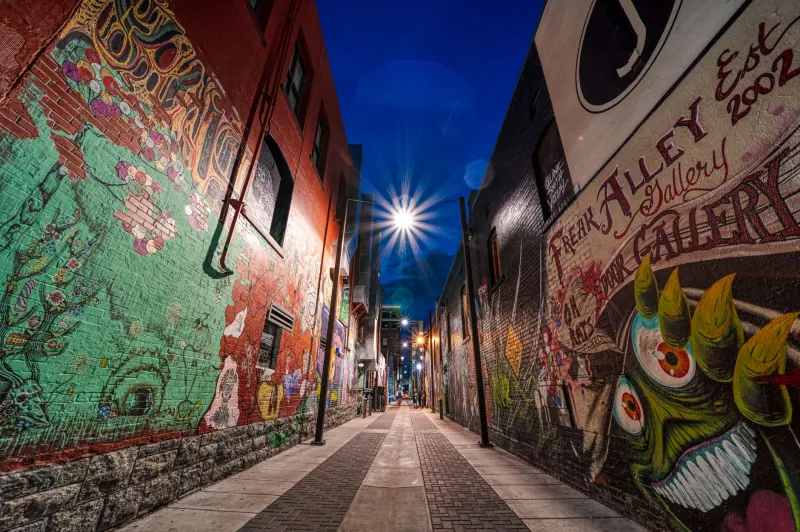
When you get there, walk it twice. Once with a destination in mind, and once with nowhere to be. The second walk is where you'll notice the details — the hand-lettered signs, the community bulletin board, the alley with the good mural. Those details are the actual story. The restaurant reservation is just the excuse to be there.
Micro-neighborhoods are, at their core, proof that cities don't scale the way we think they do. The best stuff isn't spread evenly across a map. It's concentrated, specific, and usually hiding in plain sight on a street that doesn't have a marketing budget. That's exactly what makes finding it feel like something worth traveling for.